Bed bugs can sneak home with you in the seams and folds of your luggage.
Place your belongings on a tile floor when you arrive in a hotel room.
Behind the headboard is the most common place for bed bugs to hide in a hotel room.
Breathe across the headboard and wait for your CO2 to lure the bed bugs out, or slide your hotel key along the back to force them out.
Inspect the bed skirt and mattress for signs of bed bugs.
Inspect the nightstand next to the bed.
Inspect any other furniture near the bed, paying close attention to any cracks and holes.
If there are pictures hanging on the wall above the bed, inspect them for signs of bed bugs.
Bed bugs are primarily spread by hitchhiking on the belongings of people. Follow these tips on traveling to ensure that you don't bring any unwanted guests home with you.
1) Public Transportation
All forms of public transportation run the risk of being infested, including any luggage storage areas. Avoid using the seating if that is an option. Keep your belongings with you and not placed on the seating. Inspect the exterior of any of your belongings before you take them into your home.
2) Hotel/Motel Rooms
It is wise to inspect your hotel room prior to unpacking, so that you are not fed upon by bed bugs and you do not bring bed bugs home in your luggage. Here are some steps to take:
Tools: a flashlight and hotel key card
Since bed bugs do not like slick, slippery surfaces, such as tile, it's a smart practice to place your luggage in the bathroom when entering your room.
Exhale gently across the top of the sides of the headboard to draw any bed bugs out.
Pull back the bedding at both top corners of the bed to expose the mattress.
Push the mattress enough to observe the top corner of the box spring looking for the same signs as for the mattress.
Look at the edge of the carpet and baseboard under the corners of the bed.
Inspect the top and edges of the headboard looking for any bed bugs that might have come out to investigate the CO2 from your breath.
Inspect the skirting along the bottom of the bed looking for bed bugs, spotting and cast skins within the inside folds of the fabric.
Inspect the headboard again.
If there is a nightstand next to the bed, inspect the drawers and back of the unit paying close attention to bed bugs or eggs that might be in the head of screws or other cracks and crevices in the wood.
Reinspect the headboard again.
Use the hotel key card and run it down behind the headboard looking for bed bugs or cast skins.
Inspect the portable luggage rack looking for signs of bed bugs. If the luggage rack is attached to the wall, inspect closely the intersections of any wood/fabric joints or cracks along the wall.
If any bed bugs or signs of bed bugs are found, report it to the hotel. Immediately.
3) Clothes and Luggage
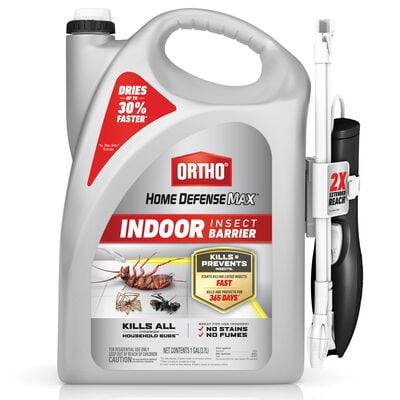
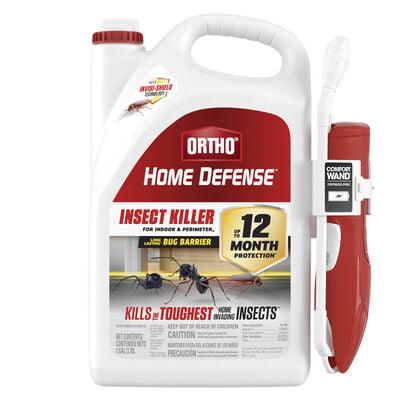
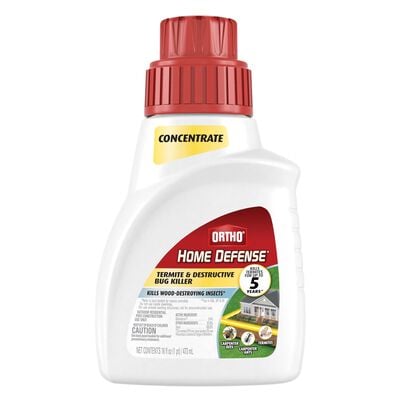
Upon returning home from any trip, it is important to thoroughly inspect your luggage inside and out. If bugs are found, treat your luggage with Ortho® Home Defense Max® BEDBUG Killer. Always read and follow label instructions. Throw all your clothes into the dryer on high for 15 minutes. This will kill any potential bed bugs that could have found a way into your luggage.
Click on the images to the right to learn more.
Sharing clothes, linens and other fabrics puts you at risk for potential bed bugs. The sharing of items among people living in the same apartment or dorm should be minimized.
Caulk along cracks and crevices of shared walls.
Some apartments and dorms come furnished. This puts you at risk for using currently infested beds and furniture. Inspection for spotting, eggs and other signs in all the cracks, crevices and screws of furniture is highly encouraged.
Installing encasements will protect and help with treatment of your mattress and box springs.
Bed bugs can travel from room to room between walls by way of wiring.
Bed bugs can travel through tiny holes.
Avoiding bed bugs can be tough when living in an apartment, dorm, or any other place where you share walls with others. The shared living quarters make it harder to quarantine and protect yourself because bed bugs can travel between walls by way of outlets, cracks and wiring. Always thoroughly inspect a room before you move in and don't be afraid to ask the landlord or person in charge if they have ever experienced an infestation of bed bugs. Using encasements on your mattress and box springs is good as treatment or prevention. If you don't have bed bugs, it will prevent them from getting to your mattress. If you do have bed bugs, it will seal them in and eventually kill them. Make sure the encasement is bed bug proof as well. You may also want to look into purchasing some bed bug detectors. They can help you determine when an infestation is gone or help you detect one early.
Click on the images to the right to learn more.
Do not pick up items from along the street.
When discarding a mattress that is infested, always mark it as so to prevent others from picking it up.
If you have furniture delivered, be sure it is wrapped in plastic.
Always inspect used items before putting them in your car.
Bed bugs are back. Follow these tips to make sure your daily living is free of bed bugs.
New and Used ItemsBed bugs like to travel, and are very often spread to new locations by people bringing new items into their homes. One scenario to be aware of is having a brand-new mattress or other pieces of furniture delivered. Many companies will also haul away the old mattress or furniture, so if they're infested, then they will infest the delivery truck and your new items upon delivery. You also want to avoid picking used items up off the street. If you like to shop for antiques, be sure to thoroughly inspect any treasures you find before even putting them into your car. As for clothing, new or used clothing should be put directly in the dryer on high heat for 15 minutes as soon as you get home.
Being Socially Responsible
Anyone can get bed bugs, so don't be embarrassed to ask for help if you get an infestation. If you do find that you have bed bugs, you need to tell the appropriate people (landlord, neighbors, management, etc.) and start treatment as soon as possible.
Also share useful information with friends and family, so they can learn the proper ways to detect, treat, and prevent bed bugs too.
Click on the images to the right to learn more.